
After researching ONDA lifting face treatments in Seoul, I finally booked my appointment. I’d been dealing with enlarged pores and that frustrating loss of facial firmness that creeps up on you in your late twenties. No matter how many serums I layered on or how diligently I stuck to my skincare routine, I couldn’t seem to get my skin to actually tighten. A friend who travels to Seoul regularly kept telling me that ONDA lifting face Seoul treatments were something I absolutely had to try — she said the technology available in Korean clinics is genuinely ahead of what you’d find back home in Taiwan. So when I finally booked a trip to Seoul, I made sure to research clinics offering ONDA face treatment, and that’s how I ended up at DR.BAQUO near Konkuk Station. I’m writing this up in full detail because I spent so long trying to find honest, practical reviews before going, and I hope this helps someone in the same position.
My main concerns walking in were whether it would actually work on my specific skin type (combination, with moderate pore enlargement on the nose and cheeks), whether the pain would be manageable, and whether I’d have visible downtime that would affect my travel plans. I’ll cover all of that honestly — the good, the slightly uncomfortable, and the unexpected.

How I Found DR.BAQUO for ONDA Lifting in Seoul
The Research Rabbit Hole
I’ll be honest: finding a trustworthy aesthetic clinic as a foreigner in Seoul is daunting. There are so many options, and the reviews online can feel either too polished or too vague to be useful. I started by searching for ONDA face treatment Korea reviews written by non-Korean visitors, specifically from Taiwan and other parts of Asia, because I figured they’d have similar skin concerns to mine. DR.BAQUO kept coming up in those searches — not in a spammy, overly promoted way, but in genuine forum threads and travel communities where people were recommending it to each other.
Why I Chose This Clinic Specifically
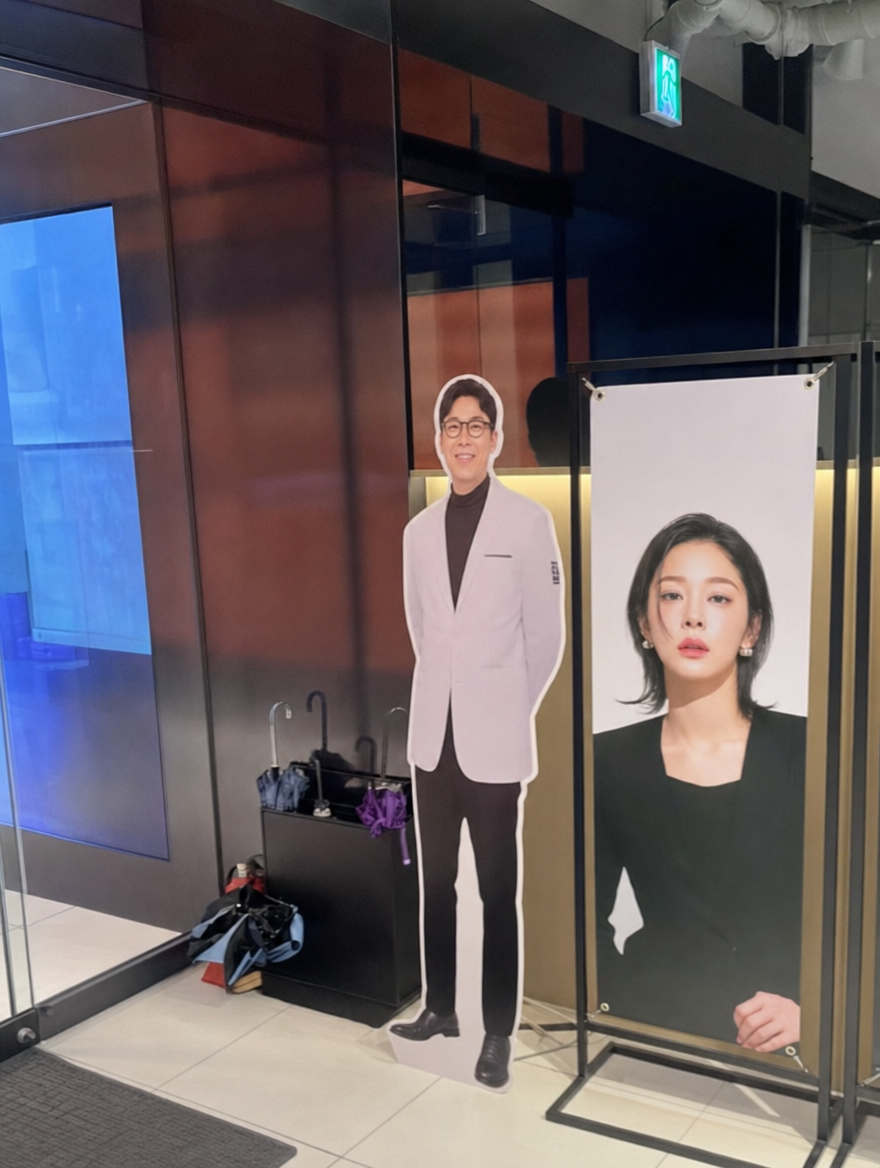
A few things made DR.BAQUO stand out from the other options I was comparing. The first was the location: the clinic is literally connected to Konkuk University Station Exit 1, which meant I didn’t have to navigate outside with my luggage or worry about getting lost. Coming from Taiwan and navigating a foreign city alone, that kind of practical convenience genuinely matters.
The second thing was that I read — and later confirmed in person — that the doctor personally does both the consultation AND the treatment. That detail might sound small, but if you’ve been to clinics in other countries where a sales consultant talks to you first and then a technician you’ve never met does the actual procedure, you’ll understand why that matters. I wanted the person assessing my skin to be the same person applying the device.
The third factor was that they have multilingual staff, including Chinese and English-speaking team members. Since my Korean is nonexistent and my conversational English is much stronger than my ability to describe skin conditions in Korean, this was a real deciding factor.
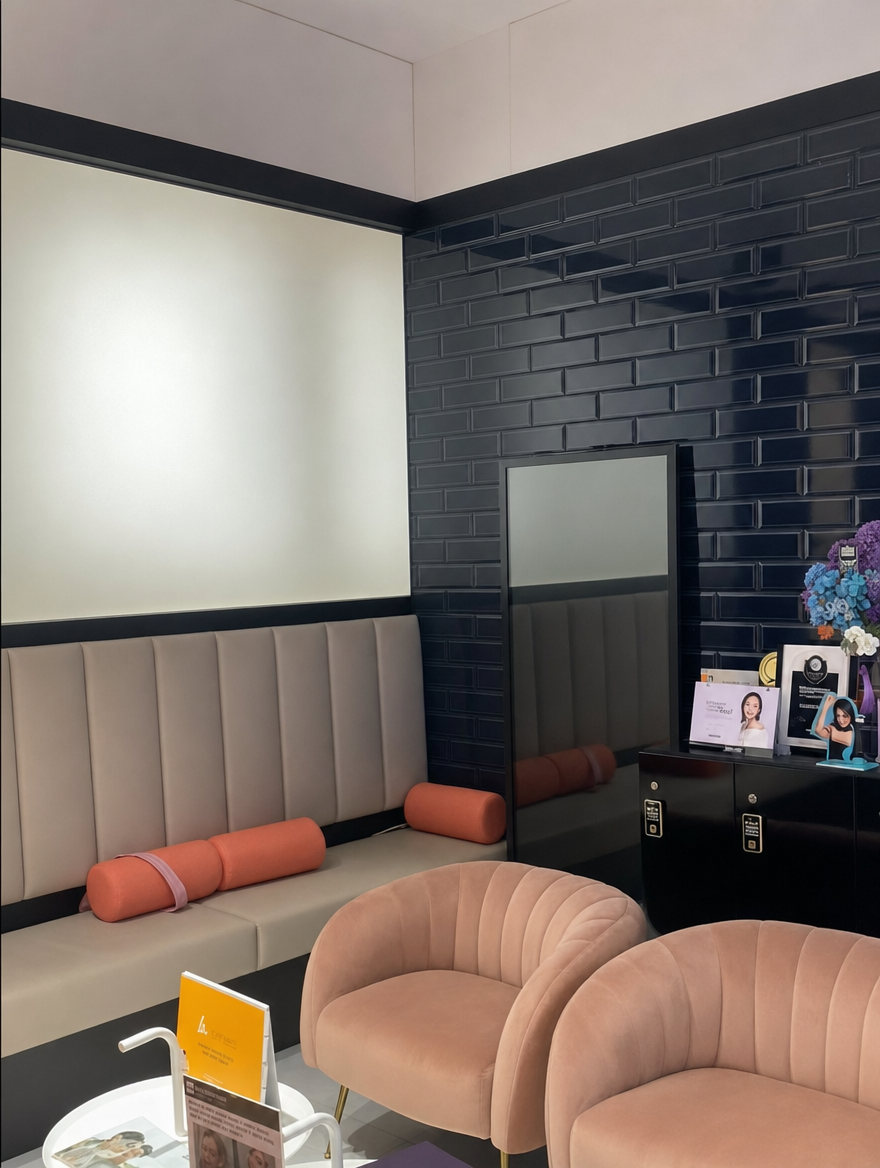
When I arrived, the clinic had a calm, clean atmosphere — not the overwhelming, high-pressure environment I’d braced myself for. I noticed their equipment certifications were displayed on the wall near the reception area, which I appreciated as someone who was a little anxious about the technology side of things. Seeing documentation that confirms the equipment meets regulatory standards gives you confidence that you’re in a professional environment.
My ONDA Lifting Face Consultation — More Thorough Than I Expected
Skin Assessment Before Any Decisions
The consultation started with the doctor examining my skin directly — using a skin analysis tool and just getting close to look at my pore condition, skin texture, and firmness. He wasn’t rushed, and he didn’t launch straight into a treatment recommendation before actually looking at what was going on with my face. I was worried he’d just recommend the most expensive package, but instead he asked specific questions: Was I concerned more about pore size or firmness? Did I experience sensitivity? Had I tried any other energy-based treatments before?
Explaining the Treatment in Plain Terms
What the doctor explained — and what actually made sense to me — is that ONDA uses a specific type of microwave energy called COOLWAVES. Unlike lasers that work primarily on the surface, ONDA’s energy penetrates to the deeper layers of the skin, targeting sebaceous glands and the subdermal fat layer. For pore tightening, this is significant because enlarged pores are often linked to excess sebum production and weakened collagen around the pore opening. The ONDA energy essentially disrupts the fat cells around the pores and stimulates collagen remodeling deeper in the tissue, which over time leads to smaller-looking pores and improved skin firmness.
He also explained that the 20kJ energy level used for my face treatment was calibrated for facial skin — a gentler setting compared to body treatments — and that the technology is approved by Korea’s MFDS (Ministry of Food and Drug Safety), which I later looked up and confirmed.
Why I Felt Reassured
I’ll admit I walked in with some skepticism. I’d read enough vague marketing copy to be a little jaded. But the way the doctor walked me through the mechanism — not just “it tightens your skin” but explaining why and how — made me feel like I was making an informed decision rather than just signing up for something I didn’t understand. He also set realistic expectations: I wouldn’t walk out looking dramatically different, and I should expect gradual results over the following four to six weeks as collagen production picks up.
 WhatsApp
 LINE
LINE
 WeChat
 KakaoTalk
ONDA Lifting Face Treatment Process — Step by Step
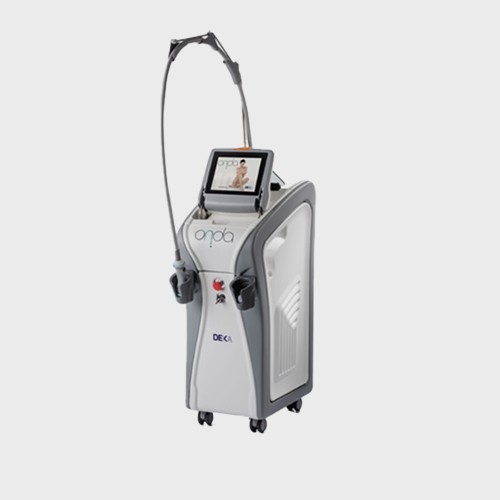
Before the Device Even Touches Your Skin
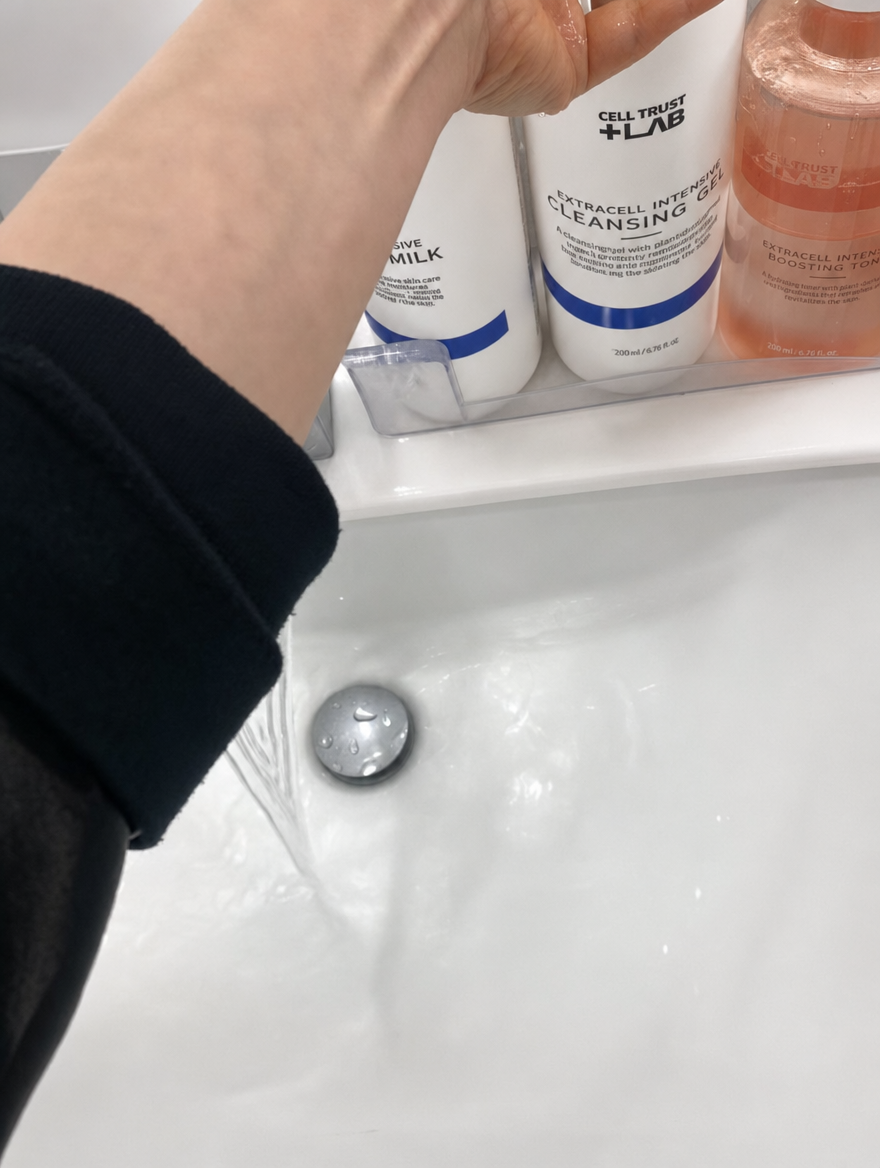
The preparation stage took longer than I expected, but in a good way. After the consultation, I was brought to the treatment room, where the nurse cleansed my face thoroughly to remove all traces of makeup, sunscreen, and skincare. This took about five minutes. Then a numbing cream was applied across the full treatment area — my entire face, focusing on the cheeks, nose area, and forehead — and I waited approximately twenty to twenty-five minutes for it to take effect. The staff checked on me during this wait, which I appreciated.
The Treatment Itself
The actual ONDA application took around thirty to forty minutes for the full face. The ONDA device has a handpiece that the doctor moves across the skin in slow, overlapping passes. What I felt was a combination of warmth and a mild clicking or buzzing sensation — harder to describe than I expected. It wasn’t painful in the way a laser can feel, but it wasn’t completely imperceptible either.
If I were rating the pain level, I’d say a 3 out of 10 with the numbing cream. There were a few moments on the nose area (where my skin is thinner and more sensitive) that pushed to maybe a 4, but those were brief. The cheeks and forehead were genuinely comfortable — closer to a 2. The doctor adjusted his pace and pressure based on my feedback, which I appreciated; it wasn’t a rigid, one-speed process.
Post-Treatment Calming Care
After the ONDA passes were complete, the nurse applied a cooling mask and a calming serum. My skin was noticeably flushed at this point — a moderate redness, like a mild sunburn. The cooling mask helped bring that down quite a bit before I left the clinic. They also applied a gentle SPF layer before I stepped outside, which was a thoughtful detail. The entire appointment from arrival to departure was about ninety minutes.
ONDA Lifting Face Results — What Actually Happened
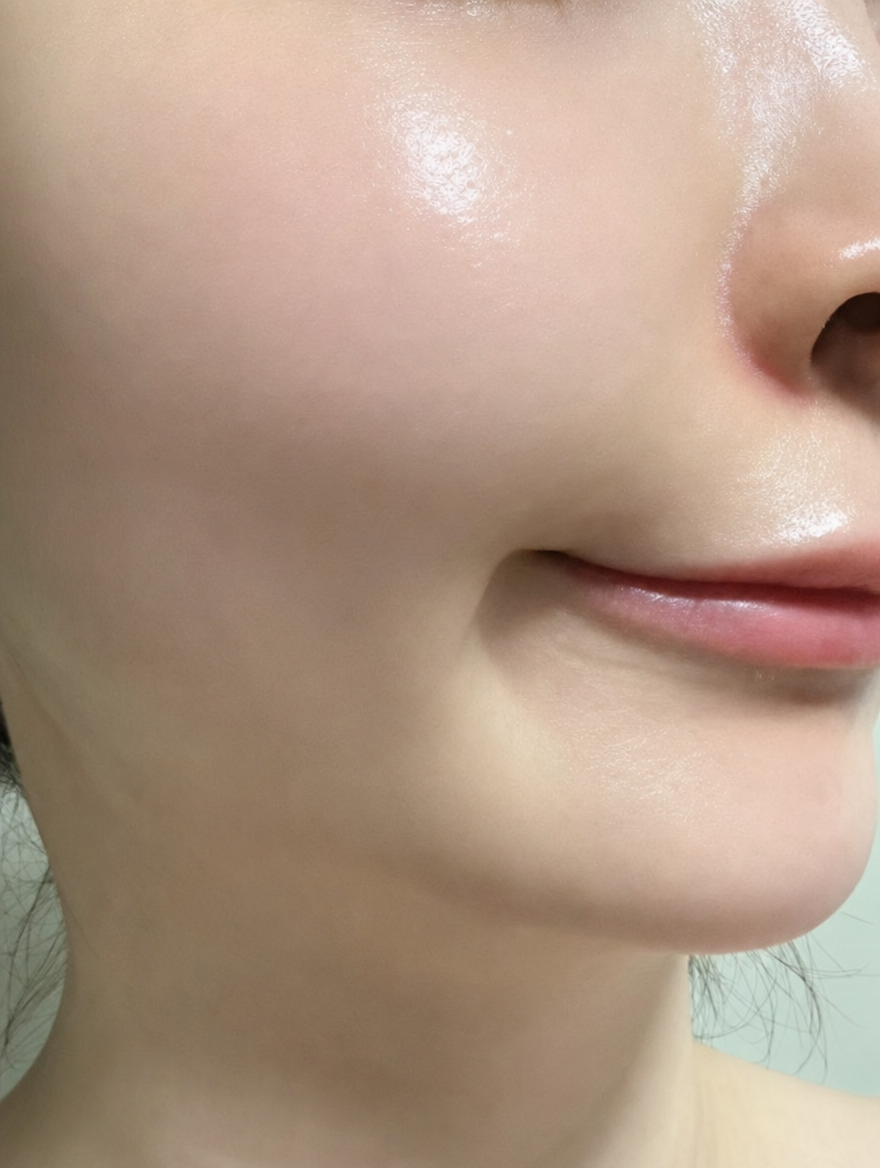
Immediately After the Treatment
Walking out of the clinic, my skin was visibly flushed — the redness was at maybe a 6 out of 10 intensity in terms of how obvious it looked. Not bruised or swollen in a dramatic way, just noticeably red, like you’d been outside in the sun a bit too long. The texture of my skin already felt slightly different to the touch — a subtle tightness or firmness that was hard to describe but definitely there.
The First Two Days
The redness calmed down significantly within about four to five hours of leaving the clinic. By the next morning, I looked essentially normal — no visible redness, no swelling, no marking. I had a full day of tourist activities planned the day after treatment, and I was able to do everything without issue. My skin felt a little more sensitive than usual to touch, and I was more careful about sun exposure, but functionally, my daily life was completely unaffected.
The Gradual Changes Over Weeks
This is where the honest part matters: the full results of skin tightening Seoul-style ONDA treatment don’t arrive overnight. The doctor had told me to expect gradual improvement over four to six weeks, and he was right. About two weeks after the treatment, I started noticing that my pores on the nose and cheeks looked noticeably less prominent — not invisible, but genuinely reduced compared to before. The overall firmness of my mid-face area was also different; that slight softness or laxity that had been bothering me felt visibly tightened.
I’m not saying my skin was transformed beyond recognition. But the improvement was real, consistent, and — importantly — looked natural, not like something had been pulled or frozen.
My Honest Assessment of ONDA Lifting Face Seoul
Here’s my honest summary of the experience:
Consultation quality:
Excellent. The doctor examined my skin personally, explained the technology clearly, and didn’t oversell. He was direct about what I could and couldn’t expect from a single session.
Pain level:
Low to moderate. I’d rate it 3 out of 10 with numbing cream. Tolerable for even pain-sensitive people, with a few brief moments of higher sensitivity on thinner skin areas like the nose.
Downtime:
Very minimal. Redness for several hours, completely resolved by the next morning. Zero impact on my travel schedule.
Results:
Gradual but genuine. Visible pore reduction and improved firmness over four to six weeks. Realistic expectations were set and met.
Communication:
Excellent. The multilingual staff made the entire experience smooth, and the clinic followed up with me on LINE even after I was back in Taiwan, checking on how my results were progressing.
Equipment and environment:
Professional and reassuring. Certifications on display, high-quality equipment, clean and calm environment.
Who I’d Recommend This For
I’d recommend ONDA face treatment Korea to anyone who is experiencing early signs of skin laxity, has enlarged pores, and wants a non-invasive option with minimal downtime. It’s particularly well-suited for people who travel and can’t afford a week of visible recovery. If you’re looking for dramatic overnight transformation, this probably isn’t your treatment — but if you want something that works gradually and naturally, it’s genuinely worth trying.
Tips for First-Timers
Book your consultation as early in your Seoul trip as possible, so you have time to see results before you leave — or at least get the process started. Don’t schedule the treatment the day before any important event because of possible redness. Drink extra water in the days after, use gentle products, and wear SPF diligently. And communicate openly with the doctor during the treatment — they adjust based on feedback, and there’s no need to white-knuckle through anything.

Looking for more skin treatment options in Seoul? Explore our complete guide to lifting and tightening treatments or learn about other popular procedures like laser skin rejuvenation and skin booster treatments available at DR.BAQUO.
FAQ — Frequently Asked Questions About ONDA Lifting Face
Q: What is ONDA lifting face treatment, and how does it work?
A: ONDA is a non-invasive aesthetic treatment that uses COOLWAVES — a specific microwave-based energy technology — to penetrate beneath the skin’s surface. It targets sebaceous glands and subdermal fat, stimulating collagen remodeling. For the face, it’s used to tighten pores, improve skin firmness, and reduce early signs of laxity without surgery or significant downtime.
Q: Is ONDA face treatment painful?
A: With numbing cream applied beforehand, most patients find the discomfort quite manageable — I personally rated it around a 3 out of 10. Areas with thinner skin, like around the nose, can feel slightly more intense briefly, but it’s nothing most people would find unbearable. The treatment doesn’t use heat in the same way lasers do, so the sensation is different — more of a warmth and a subtle clicking feeling.
Q: How long does it take to see results from ONDA face treatment in Seoul?
A: You may notice a slight tightness immediately after treatment, but the significant results — particularly pore reduction and improved firmness — develop gradually over four to six weeks as collagen production is stimulated. The full effect is typically seen between four and eight weeks post-treatment.
Q: How much downtime should I expect after an ONDA lifting face treatment?
A: Very minimal. Expect redness for a few hours after the session — comparable to mild sun exposure. Most people look completely normal by the following morning. There’s typically no bruising, no peeling, and no significant swelling, making it one of the more travel-friendly treatment options available.
Q: Can foreigners visit DR.BAQUO in Seoul for ONDA treatment?
A: Absolutely. DR.BAQUO specifically serves international visitors and has multilingual staff (Chinese, Japanese, and English-speaking). The clinic is directly connected to Konkuk University Station Exit 1, making it very accessible for tourists. They also offer LINE consultation and follow-up for international patients.
Q: Is ONDA treatment approved and safe?
A: ONDA technology is approved by Korea’s MFDS (Ministry of Food and Drug Safety) for use in aesthetic treatments. Equipment certifications are displayed at DR.BAQUO, and the treatment is performed by the doctor personally — not by a technician — which adds an important layer of safety and precision.
Q: How does ONDA face treatment compare to laser skin tightening in Seoul?
A: ONDA uses microwave-based COOLWAVES energy rather than laser light, which means it penetrates differently and affects different tissue layers. Many patients find ONDA has less surface discomfort than ablative lasers and lower risk of post-treatment pigmentation changes, which can be a concern for Asian skin tones. It’s generally considered a gentler option for non-invasive skin firming, though both approaches have their appropriate use cases depending on skin condition.
DR.BAQUO
| Address | Hanlim Tower 2F, 229 Achasan-ro, Gwangjin-gu, Seoul |
| Subway | Line 2 Konkuk University Station Exit 1 (direct connection) |
| Map | Open in Google Maps → |
| LINE | @364kbfyj |
| Website | global.drbaquo.com |
 WhatsApp
 LINE
LINE

 WhatsApp
 LINE
LINE WeChat
 Instagram
 YouTube
 TikTok
 KakaoTalk
